How Do I Know if My Dog’s Heavy Breathing is an Emergency?
Your dog’s heavy breathing is an emergency if it is accompanied by pale or bluish gums, open-mouth breathing at rest, labored chest movements, or sudden collapse. These signs indicate your dog may not be getting enough oxygen and requires immediate veterinary care. At Glenkirk Animal Hospital in Gainesville, VA, we want every dog owner to know the difference between normal panting and true respiratory distress.
Dogs breathe heavily for many reasons, and not all of them are dangerous. A dog that has just finished a vigorous run in the summer heat is going to pant heavily, that’s normal thermoregulation. But a dog that is breathing hard while resting, breathing with their elbows splayed and neck extended, or making unusual noises while breathing may be showing signs of a genuine respiratory emergency. Understanding that difference can save your dog’s life.
Is My Dog Panting from the Virginia Heat or Is It Respiratory Distress?
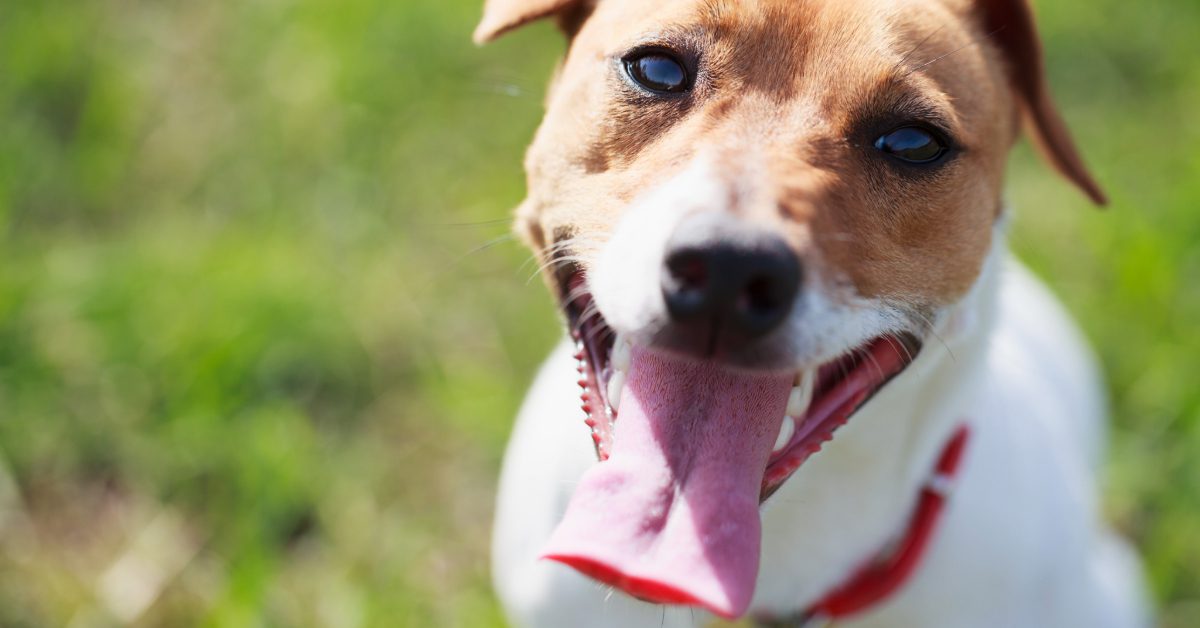
Northern Virginia summers are hot and humid, and dogs pant to cool themselves down. Normal heat-related dog heavy breathing resolves within a few minutes of moving your pet to a cooler environment and offering fresh water. If the panting stops, your dog’s gum color is normal (pink and moist), and they are alert and comfortable, the situation is likely not an emergency.
Respiratory distress is different. A dog in distress may breathe rapidly even while lying still in a cool room. They may breathe with their mouth open even if they haven’t been exercising. The breaths may look labored. You might see the belly and chest working hard with each breath, or the nostrils flaring. These are signs that your dog’s heavy breathing has crossed from normal panting into something that warrants urgent veterinary evaluation.
Conditions That Cause Respiratory Distress in Dogs
Several medical conditions can cause a dog’s heavy breathing to become dangerous, including pneumonia, fluid around the lungs (pleural effusion), heart disease, laryngeal paralysis, tracheal collapse, and anaphylaxis. Dogs suffering from heatstroke also develop severe respiratory distress. Because so many conditions can look similar, a veterinarian needs to examine your dog. Do not attempt to diagnose or treat respiratory distress at home.
What Does It Mean if My Dog’s Gums Look Blue or Pale During Heavy Breathing?
The color of your dog’s gums is one of the most important indicators of their cardiovascular and respiratory health. In a healthy dog, gum tissue should be bubblegum pink and moist. If you notice your dog’s gums are pale pink, white, gray, or most alarmingly blue or purple during an episode of heavy breathing, this is a critical sign of oxygen deprivation.
Blue or gray gums during dog heavy breathing indicate cyanosis, meaning your dog’s blood is not carrying adequate oxygen to the tissues. This is a life-threatening emergency. Do not wait to see if it improves. Call an emergency vet at Glenkirk Animal Hospital immediately.
Pale or white gums can signal shock, internal bleeding, or severe anemia. Even if your dog is breathing, pale gums during a breathing episode mean the body’s circulation is compromised, which is another situation requiring an emergency vet visit right away.
How Can I Measure My Dog’s Resting Respiratory Rate at Home?
Knowing your dog’s normal resting respiratory rate (RRR) is one of the most useful tools you have for identifying when your dog’s heavy breathing may signal a health problem. A dog’s normal resting respiratory rate is between 15 and 30 breaths per minute.
How to Count Resting Respiratory Rate
To measure your dog’s resting respiratory rate, wait until they are lying down and relaxed; not asleep, not panting, and not having just exercised. Watch their chest rise and fall. Count each rise-and-fall cycle as one breath. Count the number of breaths in 30 seconds and multiply by two to get breaths per minute.
- A resting rate above 30 breaths per minute is abnormal and warrants a call to your vet
- Any resting rate above 40 breaths per minute is a potential emergency
- If you can visibly see the effort of each breath, meaning belly heaving, nostrils flaring, call an emergency vet regardless of the count
Tracking your dog’s resting respiratory rate over time is especially valuable if your dog has a known heart condition. A sudden increase above their individual baseline can be an early warning of trouble. Our veterinary team at Glenkirk Animal Hospital can help you establish a normal baseline for your dog during a wellness visit.
Is “Reverse Sneezing” a Breathing Emergency I Should Worry About?
Reverse sneezing (technically called pharyngeal gag reflex) is a surprisingly common phenomenon in dogs, especially in smaller breeds and brachycephalic (flat-faced) dogs like Pugs, Bulldogs, and French Bulldogs. During a reverse sneezing episode, a dog will extend their neck, stand still, and make a loud, repetitive snorting or honking sound. It can look dramatic and sound alarming.
In most cases, reverse sneezing is not a dog heavy breathing emergency. Episodes typically last 30 seconds to two minutes and resolve on their own. The dog is usually normal before and after. Common triggers include excitement, pulling on a leash, eating too fast, or exposure to irritants like dust, pollen, or strong odors.
When Reverse Sneezing Becomes a Concern
While reverse sneezing itself is usually benign, you should contact Glenkirk Animal Hospital if episodes are increasing in frequency, lasting longer than usual, accompanied by nasal discharge or nosebleeds, or occurring in a dog that also shows other signs of respiratory distress like dog heavy breathing at rest. These changes can indicate nasal polyps, a foreign body, or a developing respiratory condition that needs evaluation.
What Should I Do If My Dog’s Breathing Problems Don’t Improve?
If your dog’s heavy breathing is not resolving with rest, is worsening, or is accompanied by any of the red-flag signs described in this blog such as blue or pale gums, labored breathing at rest, or sudden onset, do not wait for a morning appointment. Dog breathing problems that stem from oxygen deprivation, fluid in the chest, or cardiac events are time-sensitive emergencies. Call Glenkirk Animal Hospital in Gainesville at (571) 248-2470 or the nearest emergency animal hospital right away, and let them know your dog is having trouble breathing so the team can be ready when you arrive.
Recent Posts
About Us
At Glenkirk Animal Hospital in Gainesville, VA, we make veterinary care more accessible with seven-day availability, extended hours, and same-day appointments when available. We offer straightforward communication, transparent pricing, and on-site diagnostics to help pets get timely care.